
Overview
Why Are Law Firms Reluctant to Change Their Case Management Software?
Law firms exhibit a curious contradiction in how they approach legal tech. A firm might spend years complaining about its case management system, putting up with awkward processes, unnecessary administration, and software that no longer meets its needs. Yet when someone suggests replacing it, the conversation changes, and suddenly, the existing system doesn’t seem that bad.
Because let’s face it: everyone knows how to use it, the firm’s records are stored there, everyone has developed ways of working around its limitations and nobody really wants to face the disruption of moving elsewhere.
So the firm carries on as before.
Is this simply resistance to change, or is there something more behind the reluctance to switch?
What Stops Law Firms from Replacing Their Existing Legal Software?
It’s easy to assume that firms remain with older software because they’re comfortable with what they know, and it’s fair to say some logic to that argument. Familiarity matters, especially when people depend on a system throughout their working day. But it doesn’t explain everything.
Research published by the Solicitors Regulation Authority (SRA) in June 2025 found that sole practitioners and small law firms generally recognised the benefits of technology, even while experiencing significant barriers to adopting it.
Cost, uncertainty about suitable products, and concerns about investing in technology that might quickly become outdated were among the difficulties identified. The findings challenge the suggestion that smaller firms simply ‘don’t want to modernise’. Being reluctant to replace an established system doesn’t necessarily mean being opposed to better technology. For many firms, the concern is what happens between deciding to change and getting back to business as usual.
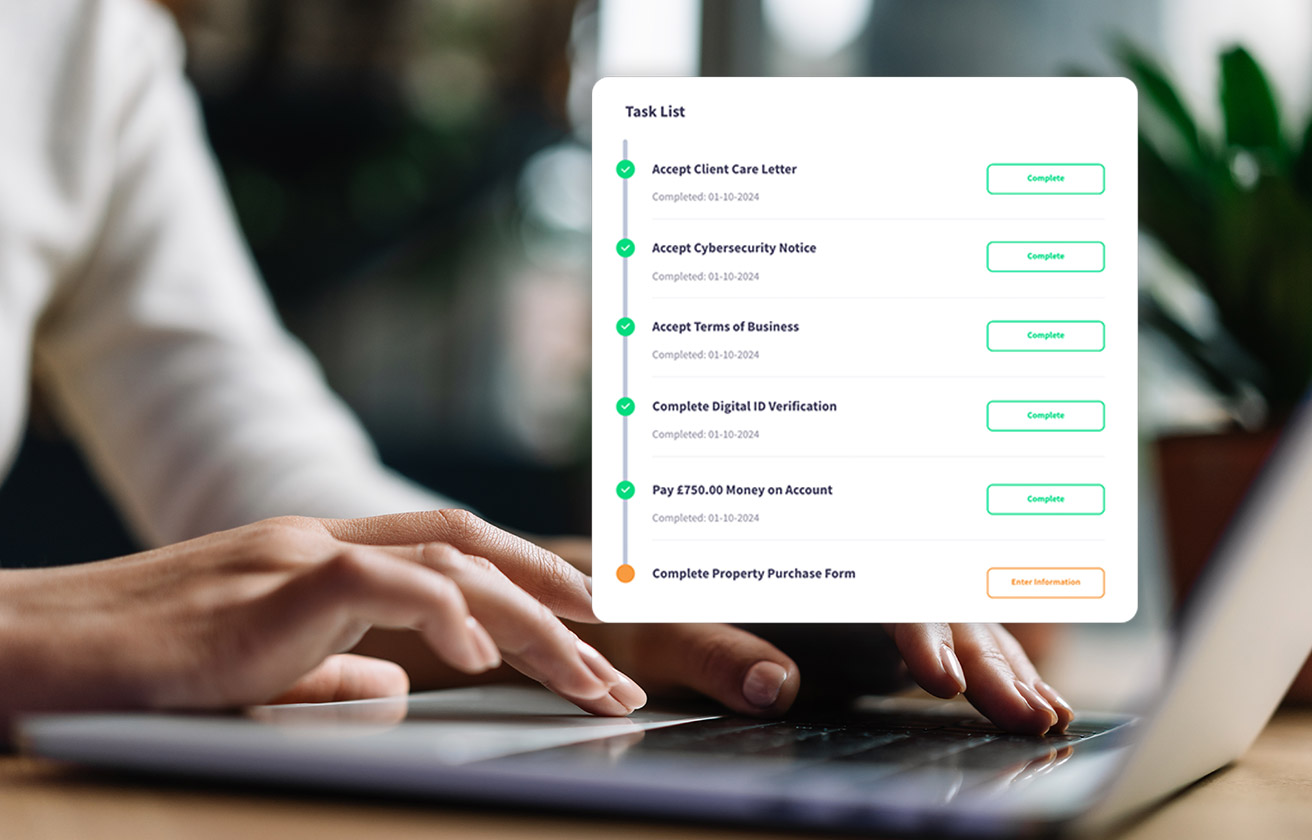
Why Are UK Law Firms Adopting Client Portals?
For many UK law firms, the shift towards client portals hasn’t come from a sudden love of new technology, it has come from something much more practical: a growing sense that the old ways of communicating no longer support the work firms are trying to do.
Find out how the Mozaique Law Firm Client Portal can make life easier for legal teams and their clients.
Why Do Law Firms Stick with Familiar Case Management Systems?
Even an outdated system can offer something valuable: predictability.
Staff understand its limitations. They know which processes take longer than they should and where manual intervention is necessary. Those workarounds may be frustrating, but at least they’re familiar.
A replacement system introduces uncertainties that aren’t always easy to assess from a demonstration: Will existing information transfer correctly? Will staff adapt? Will familiar tasks become easier, or will the firm discover new problems that weren’t apparent during the sales process? And what happens if the implementation takes longer, or costs more than expected?
These are legitimate concerns, particularly when mistakes could disrupt client work. The difficulty is that the disadvantages of staying are familiar, while the risks of changing are largely unknown. That can make the existing system feel safer, even as its shortcomings become harder to ignore.
“The cost of changing systems is usually examined closely, so the cost of doing nothing deserves the same scrutiny.”
What Are the Hidden Costs of Using Outdated Law Firm Legal Software?
A firm usually has a reasonably clear idea of what its current software costs. Subscription fees, maintenance charges and support arrangements are visible expenses. Less obvious are the costs of working around the system’s limitations.
Consider the time spent entering the same information into different applications, manually preparing documents or searching for records that should be readily accessible. The time lost to these workarounds adds up, often without anyone stopping to calculate what they’re actually costing the firm.
The cost goes beyond wasted time. An ageing system may also restrict what the firm can achieve, particularly when it comes to integrating applications, improving workflows or introducing new ways of working.
Those limitations deserve a place in any decision about whether to switch. The cost of changing systems is usually examined closely, so the cost of doing nothing deserves the same scrutiny.
When Should a Law Firm Consider Replacing Its Case Management System?
For smaller and mid-sized law firms, the decision can be particularly difficult.
A large practice may have people dedicated to technology procurement and implementation. A smaller firm may need to manage those responsibilities alongside its existing workload. Partners and practice managers must weigh the potential benefits of new software against the risk of disruption, added expense, and staff frustration. And sometimes the sensible decision will be to stay where they are.
If the existing system meets the firm’s requirements, replacing it simply because something newer is available may achieve very little. But there’s a difference between making an informed decision to retain existing software and avoiding the decision because the migration seems overwhelming. The latter can leave firms accepting limitations they otherwise wouldn’t tolerate.
What Are the Biggest Concerns When Migrating to a New Law Firm Case Management System?
Despite everything we’ve discussed, the decision to move systems is heavily swayed by migration fear. It’s often the main reason law firms stay on systems they openly dislike, because the perceived risk of moving outweighs the pain of staying. Let’s look at a few factors driving this:
- Legacy data is messier than anyone admits. Years of workarounds, inconsistent matter types, duplicate client records, custom fields only one person understands and documents stored outside the system all come to light during a migration. Firms often suspect their data is in poor shape and would rather not find out how poor.
- Operational disruption. Fee earners are measured on billable hours and cashflow. A cutover period that slows billing, disrupts time recording or delays month-end can hit revenue directly. Partners in a lockstep or profit-share model feel that personally. There’s also the fear of a “big bang” go-live going wrong with no route back.
- Retraining and adoption. Staff who have used a system for ten or more years have deep muscle memory, even for clunky processes. The worry is lost productivity, resistance from senior fee earners and support staff who are the real experts in the old system.
- Bad experiences (their own or other people’s). Most practice managers have heard of a migration that overran, cost more than quoted or left the firm running two systems in parallel for months. Those stories spread quickly in a relatively small professional network.
- Vendor lock-in and contracts. Proprietary data formats, export fees, long notice periods and uncertainty about what the outgoing supplier will actually hand over all make leaving feel harder than it should be.
- Unclear ownership. In many small and mid-sized firms nobody has migrations as their actual job. The work falls to an already stretched practice manager or IT lead, so it keeps getting deferred to “after the busy period”, which never arrives.
What Should Law Firms Expect from a Legal Software Migration?
Law firms should be able to establish what moving to a new system will involve. Greater clarity won’t remove every uncertainty, but it could make switching a more manageable business decision.
Law firms shouldn’t have to choose between tolerating inadequate software and taking a leap into the unknown. If the legal technology industry wants firms to modernise, it needs to make changing systems easier to understand, easier to manage, and far less intimidating.