Overview
How to reduce law firm client chasing
Client chasing isn’t always about impatience. Most clients don’t enjoy sending follow-up emails or making “just checking” calls. They do it because they feel uncertain. They’re unsure whether anything has happened, whether documents were received, or whether they should be doing something next. For law firms, this chasing creates steady pressure. Time is lost and focus is broken. And despite everyone’s best efforts, the experience can still feel frustrating on both sides.
Reducing client chasing does not mean becoming less personal. In fact, our Mozaique Client Portal solution benefits both parties: you get your time back to spend it fee-earning, and your client remains constantly informed on their matter, without you having to send continuous email and phone call updates.

Why do law firm clients chase?
Client chasing usually starts when visibility is low and they cannot easily see where their matter stands. Even if work is progressing exactly as it should, the absence of visible reassurance creates doubt. A short delay can feel like inactivity, or a missing confirmation can feel like a problem. This is especially true in legal matters, where clients are often navigating unfamiliar territory. Without clear signals, they err on the side of checking in, requesting reassurance.
Set clear expectations with your clients
Clients are far less likely to chase when they understand how communication will work. Knowing when and where updates will be shared and what requires their action gives clients a sense of control. They stop wondering whether to check in because they know what to expect. Clear expectations then consequently protect staff time.
You’ll still be a law firm with a personal touch
When clients can easily see that documents have been received, that progress is being made, or that nothing is required of them right now, the need to follow up fades away. Law firms can still achieve this, without losing the human connection that clients value most. Personal reassurance still matters, particularly when issues are complex, sensitive or time-critical. We’re simply removing the day-to-day replies to follow up emails and calls, by implementing a system that provides complete matter visibility to clients, all in one centralised, secure place.
So how do we reduce law firm clients chasing? That’s where the Mozaique Client Portal comes in
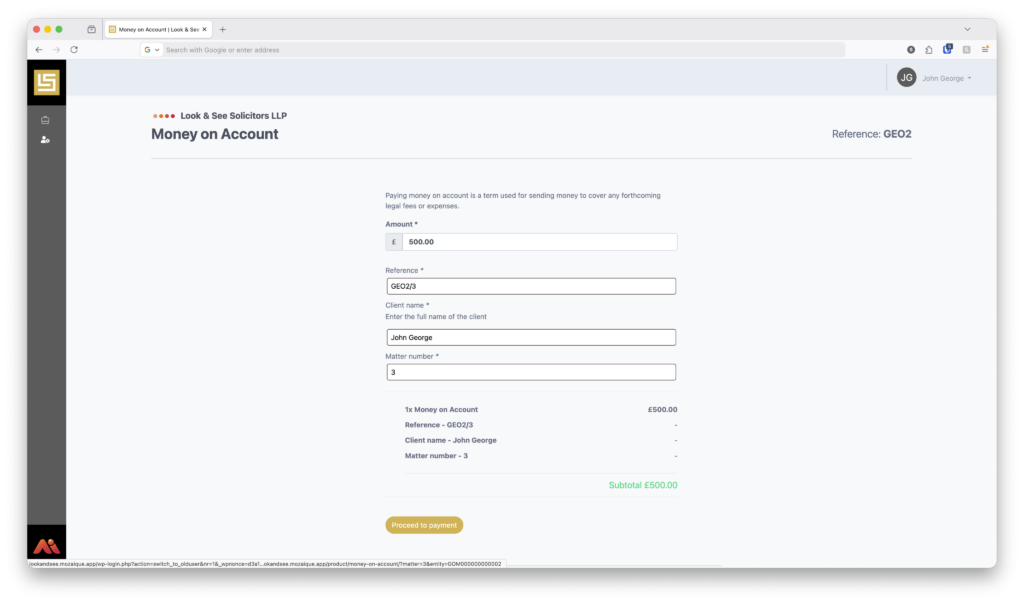
In the Mozaique Client Portal, clients find everything in one place. Information shown to clients is drawn directly from the underlying matter, meaning documents and updates are presented in context rather than as disconnected messages.
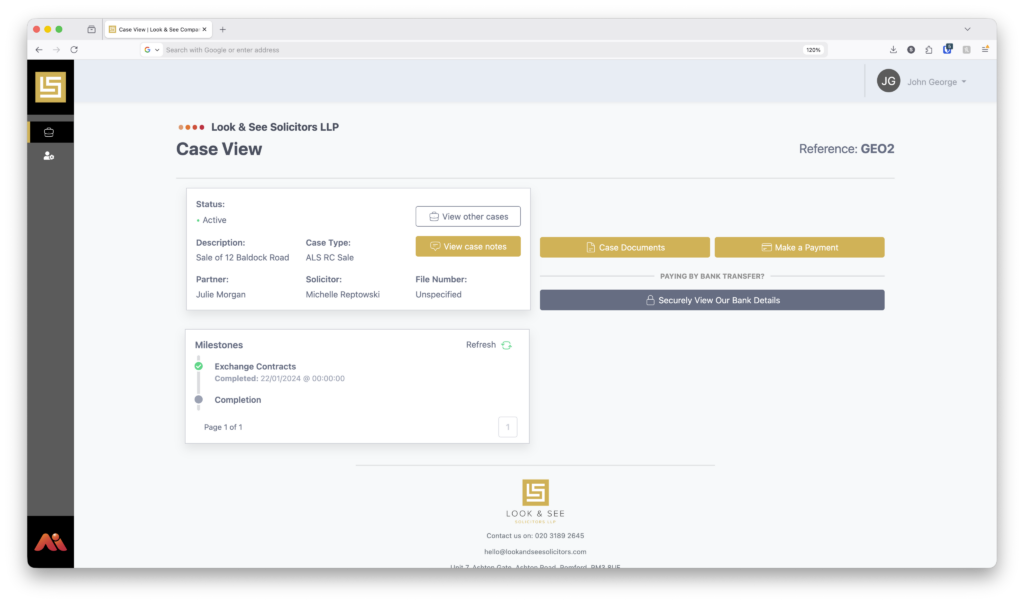
Clients remain continuously informed
Client portals also help set clearer expectations. Clients can see when documents are available and understand how updates will be shared. This reduces uncertainty and the need for frequent check-in calls or emails. When clients feel informed, communication becomes more balanced and less reactive.
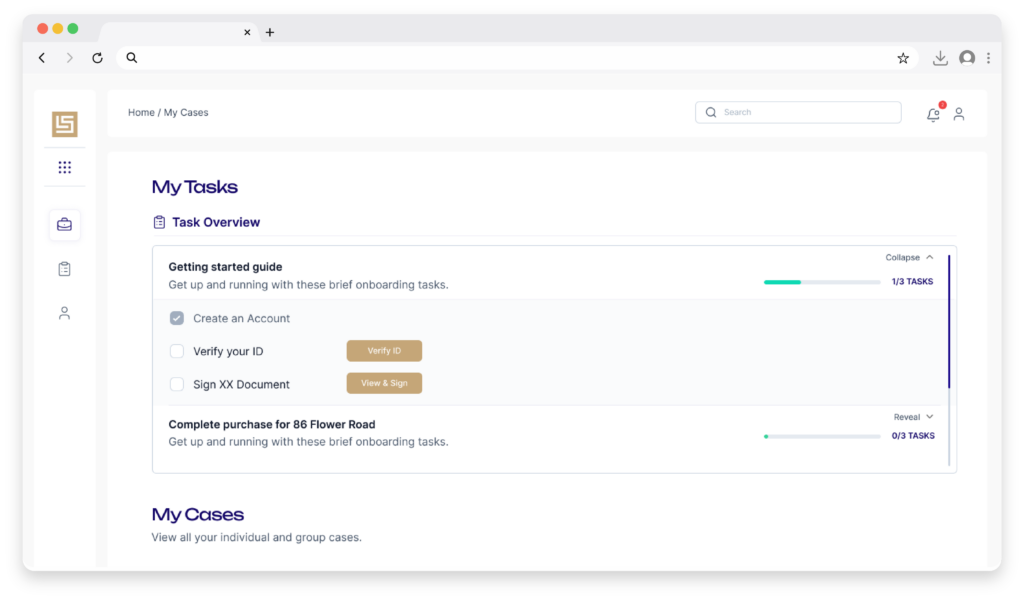
Documents are stored in one secure location
From the firm’s perspective, a client portal brings structure to communication. Messages are linked directly to the relevant matter, which keeps conversations focused and easier to follow. Documents are stored in one secure location, reducing the risk of sending the wrong version or losing track of essential files. When information is organised in this way, teams spend less time managing admin and more time progressing work.
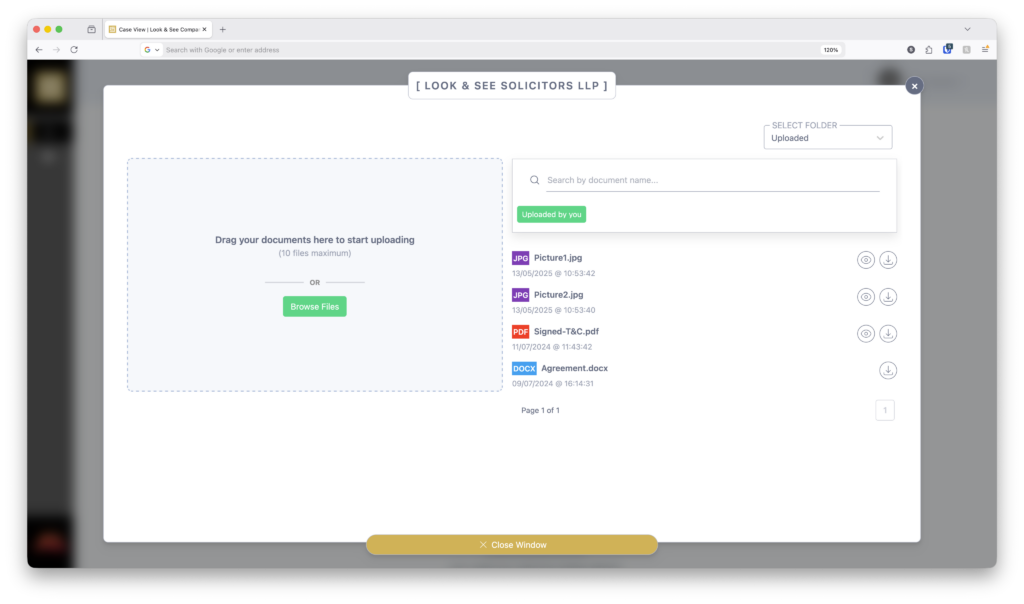
Client portals are secure, controlled environments for sensitive documents
Security is one of the key reasons many firms move toward client portals. Email is convenient, but it is not always the safest way to share sensitive information. Attachments can be forwarded, downloaded or saved in multiple places. A client portal provides a more controlled environment, where access is managed, and information remains in one secure space. This reassures clients and enables firms to meet their data protection responsibilities.
Because activity within the portal is logged, firms and clients both benefit from clearer visibility over what has been shared, accessed or updated, supporting accountability without adding manual oversight.