
Overview
What is a client portal?
A client portal is a secure online space that allows law firms and clients to share information in a clear, organised way. Instead of relying on long email chains or sending documents back and forth as attachments, a portal brings everything related to a matter into one place. Clients can log in to view documents, read updates and communicate with their firm when it suits them.

Law firm client portals don’t replace personal communication
For many UK law firms, the idea of a client portal can feel unfamiliar at first. Some worry it will replace personal communication or feel too technical for clients. In practice, a portal does the opposite. It supports clearer, calmer communication while allowing firms to maintain the human touch that clients value.
Client portals are linked directly to the relevant matter
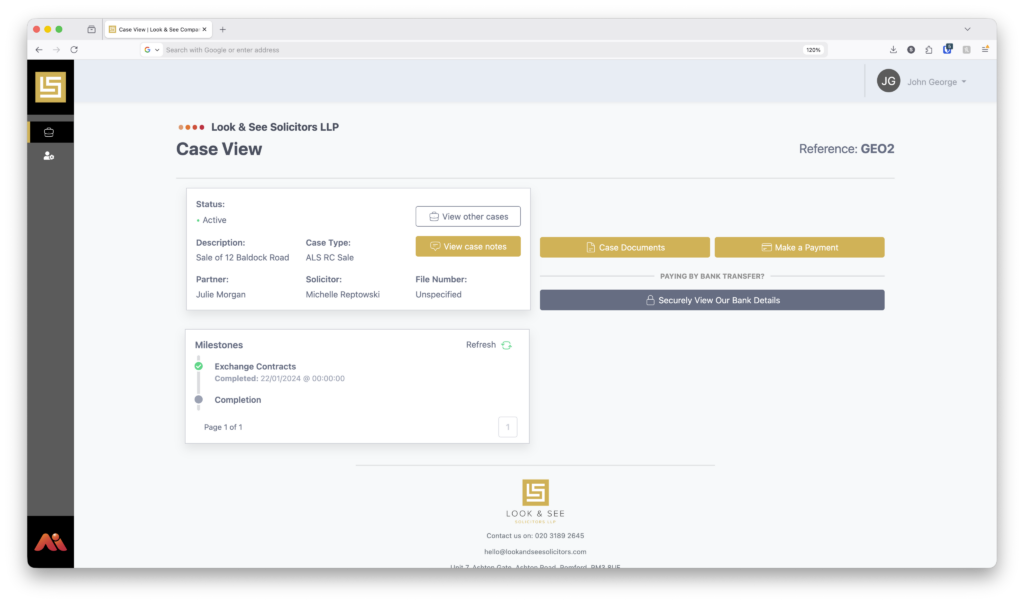
At its simplest, a client portal acts as a central point of reference. Clients know where to go to find information about their matter, rather than searching through emails or asking for documents to be resent. This reduces confusion and helps clients feel more in control, especially during stressful or unfamiliar legal processes.
In the Mozaique Client Portal, information shown to clients is drawn directly from the underlying matter, meaning documents and updates are presented in context rather than as disconnected messages.
Documents are stored in one secure location
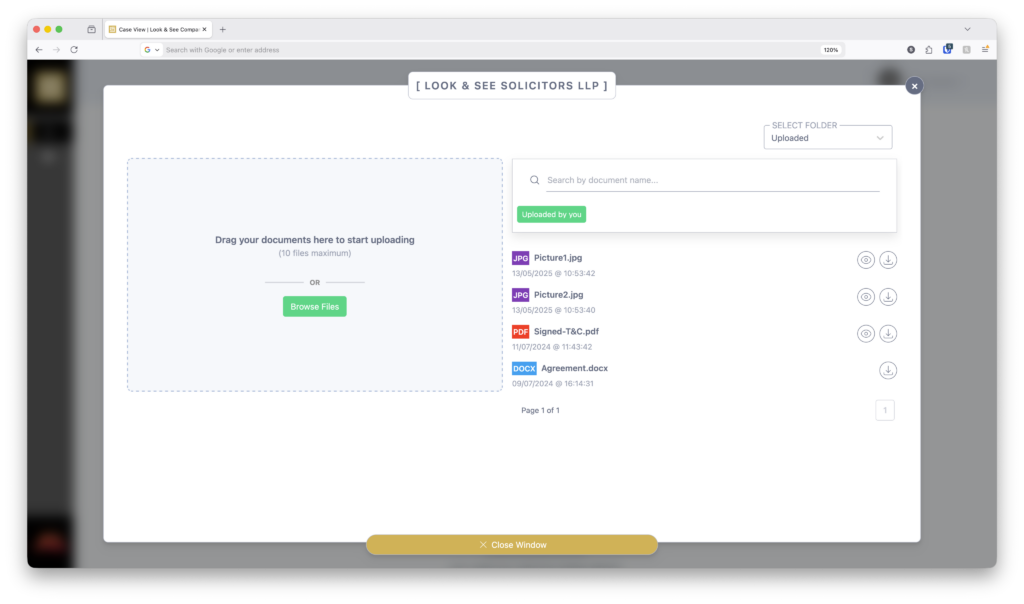
From the firm’s perspective, a client portal brings structure to communication. Messages are linked directly to the relevant matter, which keeps conversations focused and easier to follow. Documents are stored in one secure location, reducing the risk of sending the wrong version or losing track of essential files. When information is organised in this way, teams spend less time managing admin and more time progressing work.
Client portals are secure, controlled environments for sensitive documents
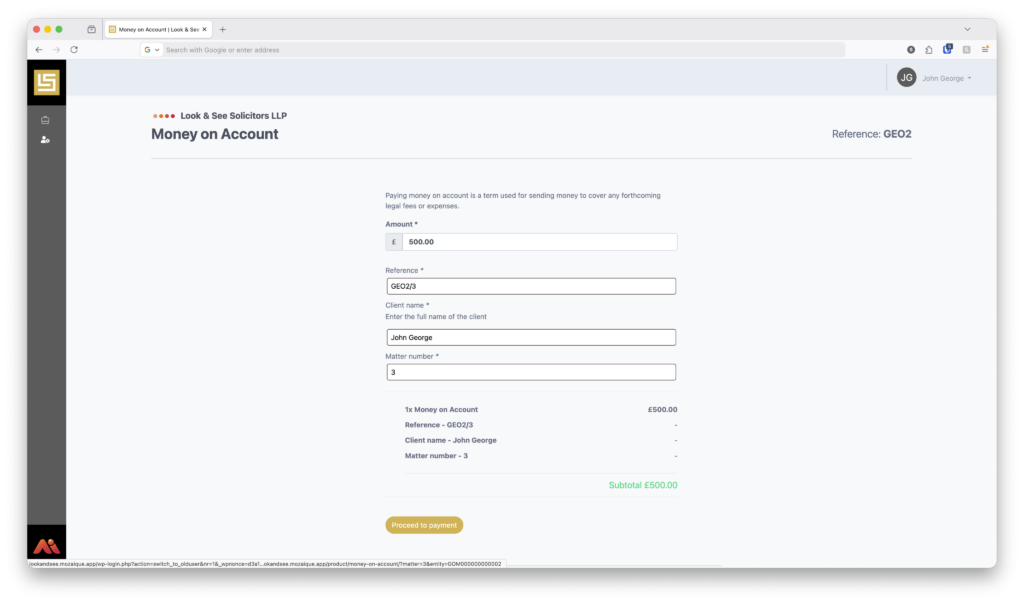
Security is one of the key reasons many firms move toward client portals. Email is convenient, but it is not always the safest way to share sensitive information. Attachments can be forwarded, downloaded or saved in multiple places. A client portal provides a more controlled environment, where access is managed, and information remains in one secure space. This reassures clients and enables firms to meet their data protection responsibilities.
Because activity within the portal is logged, firms and clients both benefit from clearer visibility over what has been shared, accessed or updated, supporting accountability without adding manual oversight.
Clients remain continuously informed
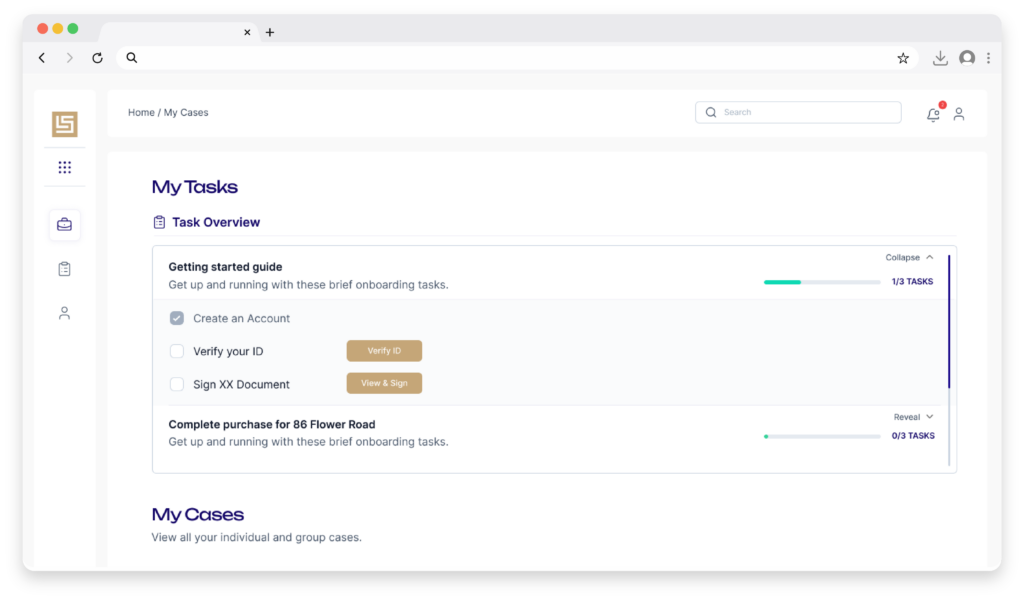
Client portals also help set clearer expectations. Clients can see when documents are available and understand how updates will be shared. This reduces uncertainty and the need for frequent check-in calls or emails. When clients feel informed, communication becomes more balanced and less reactive.
For law firms, it’s efficient and time-saving
For staff, a portal supports more efficient working. New team members can quickly understand the status of a matter by reviewing the information already available. Handover between colleagues becomes smoother, and reliance on individual inboxes is reduced. This is particularly valuable in smaller firms, where people often wear multiple hats and need quick access to accurate information.
Importantly, a client portal does not replace personal service. Phone calls, meetings, and emails still play an important role, especially for complex or sensitive discussions, while the portal provides a reliable foundation that keeps information organised and accessible. It supports better conversations rather than replacing them.
For UK law firms, adopting a client portal is less about technology and more about clarity. It is a practical way to improve communication, protect information and reduce unnecessary admin. When used properly, a client portal helps firms deliver a calmer, more confident client experience without adding complexity to everyday work.
A client portal is a secure online space where clients can access documents, updates and messages related to their legal matter in one place.
Unlike email, a client portal keeps all information organised by matter, reducing the risk of lost messages or outdated attachments.
Yes. Client portals can be especially helpful for small and medium-sized firms that want clearer communication without adding admin.
No. Client portals are designed to be easy to navigate, even for clients with limited digital experience.
Client portals provide a more controlled environment for sharing information than email, helping protect sensitive client data.
No. A client portal supports communication by organising information, while personal contact remains available when needed.
It reduces time spent searching inboxes or resending documents and helps teams work from a single, reliable source of information.
Yes. Clients can see updates and documents clearly, which helps them feel informed and reassured.
It can. By keeping information centralised, firms spend less time managing admin and more time progressing matters.
Clients increasingly expect digital access to information, and portals provide a practical way to meet those expectations while maintaining a personal service.