Client Portal
13 min read

Why Are Traditional Tech Tools No Longer Enough for SME Law Firms? The Role of a Law Firm Client Portal

Overview

What are the Benefits of a Law Firm Client Portal?

For SME law firms, effective legal technology can make a real difference to law firm efficiency, helping teams spend less time on repetitive administration and more time supporting clients. Yet simply adding more digital tools does not always solve the problem. When systems operate in isolation, they can create extra work rather than reducing it.

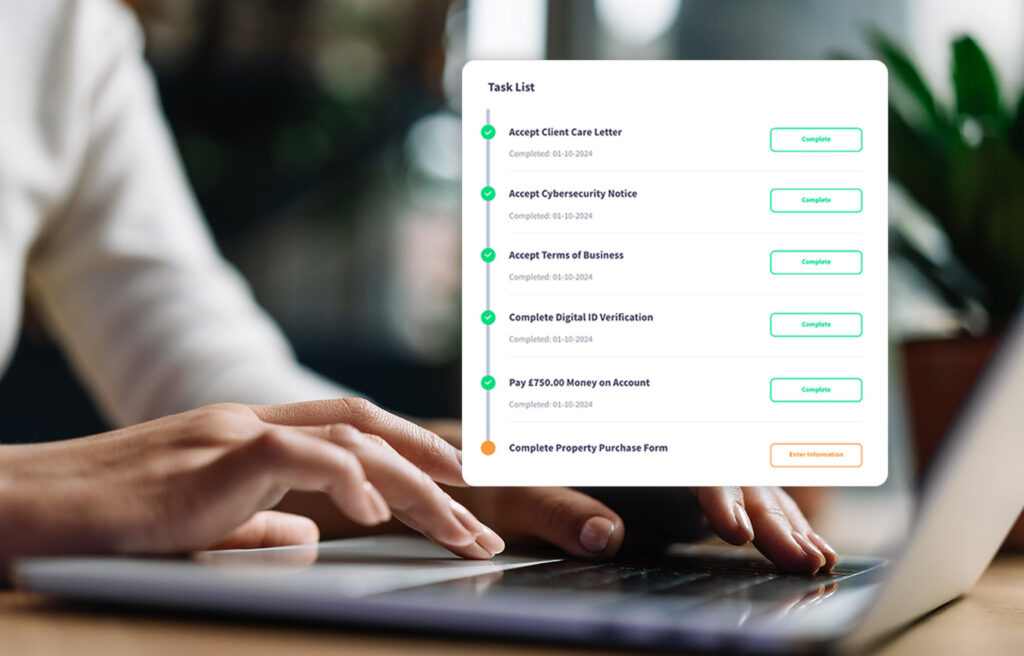
The Mozaique Law Firm Client Portal, is here to make life easier for legal teams and their clients. By connecting processes such as client onboarding, communication and document sharing, firms can reduce unnecessary friction and create a smoother journey from the first interaction onwards. The result is a more efficient way of working, without losing the personal service clients value.

Mozaique SME Law Firm Client Portal - Man using mobile phone to check the progress of his legal matter - Feature

What Are the Key Technology Challenges Facing SME Law Firms?

  • Some firms feel busy all day yet still struggle to move matters forward – When staff spend time chasing information, checking emails and completing routine tasks, valuable time is diverted away from progressing matters and supporting clients.
  • Small delays at the start of a matter can have a bigger impact than many firms realise – Slow onboarding can create a backlog of administrative work, delaying key processes and making it harder for fee earners to begin legal work promptly.
  • Repeated admin tasks often go unnoticed – Individually, tasks such as re-entering information, sending documents and answering routine enquiries may seem minor. Across hundreds of matters, however, they can consume significant staff time.
  • The tools intended to save time do not always work together – When case management, document storage, email and client communication systems operate separately, staff may need to duplicate information or manually move data between platforms.
  • Improving client experience often starts long before legal work begins – A smooth onboarding process can create a positive first impression, reduce frustration and give clients confidence that their information and matter are being handled efficiently.

Why Do Disconnected Legal Technology Systems Create More Work for Law Firms?

Law firms do not intentionally create disconnected systems. Over time, firms introduce new software to solve individual challenges. A case management system is added; documents are stored elsewhere; and client communication takes place via email. Each tool serves a purpose, but they do not always work together. 

The result is often familiar. Information is entered more than once, documents need to be chased manually, and staff spend time checking whether records match across different systems. 

For fee earners, support staff, and practice managers, these small interruptions can quickly become part of the daily workload. What appears to be a technology solution can end up creating additional administration. 

Many firms are now recognising that the issue is not a lack of technology. The issue is how effectively their systems connect. 

Traditional client onboarding can create unnecessary delays, administration and frustration for law firms and their clients. From chasing documents to repeatedly entering information, manual processes can slow matters before legal work even begins. Mozaique Web Forms offer a simpler, more efficient approach to getting new matters underway. Read more…

Why Does Traditional Client Onboarding Slow Law Firms Down?

Client onboarding is one of the areas where these problems become most visible. 

In many firms, onboarding still relies on emails, attached forms, manual checks, and repeated requests for information. Client details are gathered, entered into systems, reviewed, and often entered again elsewhere. 

This creates delays before legal work has even started. 

Clients feel the impact too. Being asked for information more than once or waiting for updates can create frustration during the very first interaction with the firm. 

That’s why many firms are beginning to view onboarding as more than an administrative process. It is the foundation of the client journey and can influence everything that follows. 

How Can Mozaique Web Forms Help Law Firms Start Matters Faster?

Mozaique Web Forms were developed to simplify and streamline the onboarding process. 

Instead of relying on paper forms or emailed documents, firms can provide clients with branded online forms that can be completed on any device. 

Information can then be reviewed, checked for duplicates, and routed directly into the firm’s systems. Conflict checks can be triggered automatically, helping firms identify potential issues early and reducing the need for manual administration. 

For support teams and fee earners, this means less time spent re-entering data and chasing incomplete information. 

For clients, it creates a smoother and more professional experience from the very beginning. 

Why Is Client Communication Important After Onboarding?

Efficient onboarding is only one part of the process. 

Once a matter is underway, firms face another challenge: keeping clients informed without creating additional work for staff. 

Many legal teams spend a significant amount of time responding to routine enquiries, sending documents, and providing progress updates. While each request may seem minor, the cumulative impact across multiple matters can be considerable. 

This is where a client portal can make a real difference. 

How Can the Mozaique Law Firm Client Portal Improve Client Communication and Efficiency?

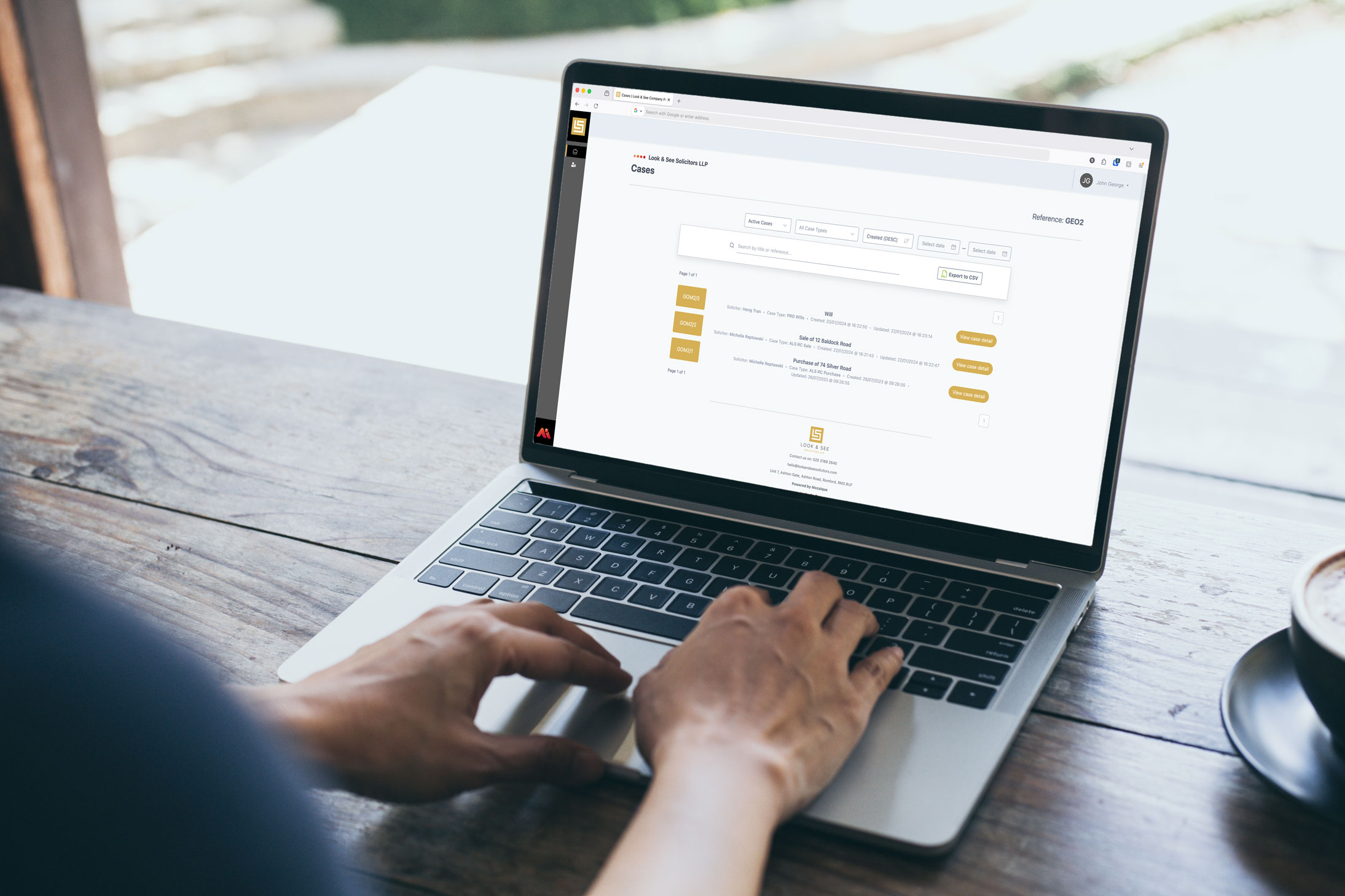
The Mozaique Client Portal provides a secure space where clients can access documents, view matter updates, and stay informed about progress. 

Instead of relying solely on email, firms can provide clients with a central hub for information and interaction. 

For clients, this creates greater visibility and reassurance. 

For fee earners and support staff, it reduces the volume of routine enquiries and administrative interruptions that can slow work down. 

Because the portal forms part of a connected workflow, information remains organised, accessible, and visible throughout the life of the matter. 

The result is a better experience for clients and a more efficient way of working for legal teams.

Why Should Law Firms Connect Their Client Onboarding and Client Portal?

The real value of legal technology is not found in individual features. It comes from bringing processes together. 

When Web Forms and the Client Portal are integrated into a single client journey, firms can deliver a more consistent experience from the first enquiry through to matter completion. 

Information is captured more accurately, communication becomes easier to manage, and processes become more transparent for both clients and staff. 

Rather than adding more software, firms can focus on creating systems that work together and support the people using them every day. 

Want to know more about our Law Firm Client Portal?

Improving operational efficiency is only one part of the picture. For Legal Aid firms, consistency in enhancement decision-making can be equally important. The Mozaique Legal Aid Manager is a case management and billing platform purpose-built for Legal Aid practices. It is designed to seamlessly integrate with other systems, or can be used as a stand-alone application.

It streamlines operations, automates compliance-heavy workflows, and ensures every billable activity is captured, validated, and submitted accurately, helping firms reduce overheads and operate sustainably.

Many SME law firms are not looking for more technology. They are looking for ways to reduce administrative workload, improve the client experience, and help their teams work more efficiently. 

Mozaique Web Forms help firms simplify onboarding and capture information more effectively from the outset. The Mozaique Client Portal helps maintain communication, visibility, and client engagement throughout the matter. 

Together, they provide a more connected approach to managing legal work, helping firms reduce friction, improve consistency, and create a better experience for both clients and staff.  

Contact Mozaique today to explore how our digital solutions can help your firm work smarter and support its continued growth.

Frequently Asked Questions About Law Firm Client Portals and Legal Technology

How do Web Forms help law firms reduce administrative work? 

Mozaique Web Forms reduce repetitive administration by capturing client information digitally and routing it into the firm’s workflow. This helps eliminate unnecessary data entry, reduce errors and get matters moving sooner.

Find out how Mozaique Web Forms can help your firm streamline client onboarding and reduce administrative workload.

Why does slow client onboarding create problems for law firms? 

Slow client onboarding can delay matters, increase administrative workload and create a frustrating first impression for clients. Mozaique Web Forms help law firms simplify the onboarding process, making it easier to collect information, complete checks and get new matters underway efficiently.

Discover how Mozaique can help improve your client onboarding process.

What is the benefit of using a client portal in a law firm? 

A law firm client portal provides a secure, central space for clients to access documents, receive updates and communicate with their legal team. Mozaique Client Portal can reduce routine enquiries while giving clients greater visibility and reassurance.

See how Mozaique Client Portal can improve communication and the client experience.

Can Web Forms and Client Portal work together? 

Yes. Mozaique Web Forms and Client Portal are designed to work together as part of a connected client journey. Web Forms capture and validate information at the start of a matter, while the Client Portal supports communication, document sharing and collaboration throughout.

Explore how Mozaique can help connect your client journey from onboarding onwards.

How do connected systems improve compliance? 

Connected systems can help law firms maintain more consistent records by ensuring information and key processes flow through a structured digital workflow. Mozaique helps bring client onboarding and communication together, supporting accurate information capture, greater visibility and stronger audit trails.

Talk to Mozaique to discover how connected legal technology could support your firm.

Are Web Forms and Client Portal suitable for SME law firms? 

Yes. Mozaique Web Forms and Client Portal are designed to help SME law firms improve efficiency without adding unnecessary complexity. Together, they can reduce administrative pressure, streamline onboarding and provide clients with a more professional, connected experience.

Discover how Mozaique can help your law firm work more efficiently and deliver a better client experience.


case studies

Hear from some of our clients who love Mozaique.

Client Portal
11 min read

Why Are UK Law Firms Adopting Client Portals?

Overview

For many UK law firms, the shift towards client portals hasn’t come from a sudden love of new technology, it has come from something much more practical: a growing sense that the old ways of communicating no longer support the work firms are trying to do. 

Email, phone calls and shared attachments have carried legal communication for decades. But as matters become more complex, timelines stretch, and client expectations change, those tools are starting to show their limits. Law firm client portals are being adopted not because they are fashionable, but because they bring clarity where things have become fragmented. 

Mozaique Law Firm Client Portal - Banner

Why Has Communication Become Harder for Law Firms to Manage?

Most law firms already communicate frequently with clients. Updates are sent. Documents are shared. Questions are answered. Yet despite this effort, many clients still feel unsure about where their matter stands. 

Information arrives in pieces. A document might be attached to one email, an update buried in another, and a follow-up request arrives days later. For clients, especially those unfamiliar with legal processes, this can feel confusing and stressful. For law firms, it often leads to repeated questions, document re-sending, and time spent clarifying information that has already been provided. 

A client portal changes the structure of this communication. Instead of information being scattered across inboxes, it is brought together in one secure place, organised around the matter itself. Clients know where to look, and firms know where information lives. That shared point of reference removes much of the friction that builds up over time.

Why Do Clients Expect Better Digital Access to Legal Services?

Client expectations have shifted quietly but decisively. In most areas of life, people are used to logging in and seeing what is happening. Banking, healthcare, insurance and utilities all provide digital access that puts information in one place and allows progress to be checked without chasing. 

Legal services have not always worked this way. Updates often depend on someone asking for them. Documents arrive when they are sent, not when the client needs them. Increasingly, this mismatch feels out of step with how people manage the rest of their lives. 

UK law firms are adopting client portals because they align better with these expectations. A portal gives clients a clear way to access information when it suits them. They can see documents, updates and next steps without needing to interrupt fee earners or worry about missing something important. That sense of visibility can make a significant difference, particularly during stressful or unfamiliar legal matters. 

How Can Law Firm Client Portals Reduce Uncertainty Without Losing the Human Touch?

One common concern is that introducing a portal might make communication feel less personal. In practice, many firms find the opposite happens. 

When routine information is easy to access, conversations can focus on what actually matters. Clients are less likely to call simply to ask whether anything has happened. Fee earners spend less time answering status queries and more time discussing advice, options and next steps. 

A client portal does not replace calls, meetings or emails. It supports them. By providing a stable foundation for information, it allows personal communication to be more meaningful rather than more frequent.

Small and medium-sized law firms often work incredibly hard to stay responsive to clients. Emails are answered quickly, calls are returned, and updates are shared whenever possible. Yet even with the best intentions, communication can start to feel fragmented. Documents are sent as attachments, updates are buried in long email threads, and clients are sometimes unsure where to find the latest information about their matter. Read more…

How Can Law Firm Client Portals Make Documents and Updates Easier to Manage?

Document handling is another pressure point for many firms. Email attachments can be forwarded, misplaced or saved in multiple versions. Over time, it becomes harder to be confident that everyone is looking at the same information. 

Client portals offer a more controlled way to share documents. Files are uploaded once and accessed in context. Clients can see what has been shared and what is still outstanding. Firms can be confident that documents are linked to the correct matter and not lost in long email threads. 

This structure benefits both sides. Clients feel more organised and reassured. Firms spend less time tracking down files or resending information that already exists. 

How Do Client Portals Improve Security and Accountability for Law Firms?

Security is rarely the first thing clients ask about, but it underpins trust. Sending sensitive documents by email can feel risky, particularly when attachments are downloaded or forwarded outside the firm’s control. 

Client portals provide a more secure environment for sharing information. Access is managed, activity is recorded, and information is kept in one place rather than scattered across inboxes and devices. For clients, this provides reassurance that their information is being handled carefully. For firms, it supports responsible data handling without adding manual oversight. 

Clear records of what has been shared, viewed or updated also make it easier to demonstrate good practice when needed, without creating additional work.

How Can Client Portals Help Law Firms Work More Efficiently?

From an internal perspective, client portals bring structure to daily work. When information is centralised, teams spend less time searching for documents or piecing together email histories. New team members can understand the status of a matter more quickly. Handovers become smoother, and reliance on individual inboxes is reduced. 

This is particularly valuable for small and mid-sized firms, where people often juggle multiple roles, and interruptions quickly add up. Even small reductions in routine admin can free up time for work that requires focus and judgment. 

Why Are Client Portals Becoming Essential for Modern Law Firms?

UK law firms are not adopting client portals because they want to change how they practise law. They are adopting them because existing ways of working are under strain. 

Clients want clarity and reassurance. Firms want communication that is manageable, secure and organised. A client portal addresses both sides of that equation by providing a shared, reliable place for information. 

Over time, this clarity becomes part of the service that clients notice and value. They feel informed without being overwhelmed. Firms feel more in control of communication without becoming less personal. 

That is why client portals are no longer seen as an optional extra. They are a practical response to real pressures in modern legal practice, helping firms deliver a calmer, clearer experience for everyone involved. 

Want to know more about our Law Firm Client Portal?

A law firm client portal should do more than add another piece of technology to your firm. It should simplify everyday processes, enhance the client experience and give your team greater visibility and control over communication.

At Mozaique, we help law firms adopt smarter, more efficient ways of working with practical digital solutions built for the demands of modern legal practice. From client portals to our wider range of products and services, we can help reduce administrative friction, improve efficiency and create a better experience for both your team and your clients.

Contact Mozaique today to explore how our digital solutions can help your firm work smarter and support its continued growth.

Find out more about our Law Firm Client Portal

What are the benefits of a client portal for a law firm?

A client portal can give law firms a secure, centralised way to manage documents, updates and client communication. It can reduce administrative work, improve efficiency, increase transparency and give clients easier access to information about their matter.

Contact Mozaique to discover how a client portal could benefit your firm.

Are client portals secure enough for law firms?

Yes. A well-designed law firm client portal can provide a more controlled environment for sharing sensitive information than relying solely on email. Access controls, secure document sharing and activity records can help firms protect client information and maintain accountability.

Speak to Mozaique today to find out how our client portal can support more secure communication.

How can a client portal improve the client experience?

A client portal gives clients a convenient place to access documents, updates and important information without having to contact their solicitor for every query. This can reduce uncertainty, improve communication and give clients greater visibility over their matter.

Get in touch with Mozaique to explore how a client portal can improve your firm’s client experience.

case studies

Hear from some of our clients who love Mozaique.

Client Portal
10 min read

Law Firm Client Portal – Is it Really Worth it for SME Law Firms? 

Overview

For many small and mid-sized enterprise (SME) law firms, the idea of a law firm client portal prompts a quiet pause. 

It sounds useful. Sensible, even. But it can also feel like something designed for larger firms with bigger teams, deeper pockets and dedicated IT support. When time and resources are already stretched, it’s natural to question whether a client portal is really worth it. 

For SME law firms, that question is not about technology. It’s about practicality. 

Mozaique Law Firm Client Portal SME Law Firm - Banner

Why Do SME Law Firms Hesitate to Introduce a Client Portal?

Small and mid-sized firms operate under a different kind of pressure. Teams are lean. People wear multiple hats. Interruptions are constant. Every new process or system has to earn its place quickly. 

In this context, anything perceived as “another thing to manage” is understandably met with caution. The concern is rarely about ambition or openness to change. It’s about whether the investment of time and attention will genuinely make daily work easier. 

That is the lens through which a client portal needs to be evaluated. 

What Makes a Law Firm Client Portal Worthwhile for SME Law Firms?

For large firms, value is often measured in scale, reporting or growth potential. For SME firms, value is much more immediate. 

It shows up as: 

  • fewer interruptions during the day 
  • fewer routine client queries 
  • clearer visibility over what’s outstanding 
  • less time spent chasing or clarifying 

Small efficiencies have a bigger impact in smaller teams. When even a handful of repetitive tasks fall away, the difference is felt quickly. 

In this sense, “worth it” is less about return on investment and more about day-to-day relief.

Can a Law Firm Client Portal Reduce Workload Without Adding Complexity?

A common fear is that introducing a client portal will add complexity rather than remove it. In practice, the opposite is often what SME firms are looking for. 

When information is easier for clients to access and understand, staff spend less time acting as a relay for updates and documents. Work becomes calmer, not busier. Communication becomes clearer, not more frequent. 

For smaller firms in particular, this reduction in friction can be more valuable than any headline efficiency gain. 

Will a Law Firm Client Portal Replace Personal Client Relationships?

Another concern is whether a client portal might dilute the personal service that SME firms are proud of. 

In reality, a portal does not replace relationships; it protects them. 

By removing the need for repeated reassurance and routine updates, conversations can focus on advice, explanation and support. Clients still speak to real people when it counts. The difference is that those conversations feel more purposeful. 

For firms built on strong relationships, this can strengthen the personal touch rather than undermine it.

As legal matters become more complex, relying solely on email can create unnecessary delays and confusion. A law firm client portal provides a secure, organised way to manage communication, share documents and keep clients informed. Here are six reasons why many firms are making the switch. Read more…

Is a Law Firm Client Portal Suitable for Every SME Law Firm?

The question is not whether a client portal is “right” for SME firms in general. It is whether it fits the way a particular firm works. 

For many small and mid-sized practices, the pressures that portals address are felt more acutely, not less. Limited capacity means that clarity, organisation and predictability matter even more. 

When a solution reduces everyday friction without demanding constant attention, it tends to prove its worth immediately. 

What Are the Real Benefits of a Law Firm Client Portal for SME Law Firms?

For SME law firms, the value of a client portal is rarely dramatic. It doesn’t announce itself loudly. 

Instead, it shows up in quieter ways: 

  • fewer emails asking for updates 
  • fewer interruptions during focused work 
  • clients who feel informed without chasing 
  • a team that feels more in control of communication 

That quiet improvement is often exactly what smaller firms are looking for. 

So, is a client portal worth it for SME law firms? 

For many, the answer comes down to this: if it makes the working day calmer, clearer and easier to manage, then it’s not a luxury. It’s a practical support for the way SME firms already operate. 

Interested in our Law Firm Client Portal?

A law firm client portal should do more than introduce new technology. It should make everyday work easier, improve the client experience and give your team greater control over communication.

At Mozaique, we help law firms embrace smarter ways of working through practical digital solutions designed around the needs of modern legal practice. From client portals to our wider range of products and services, we can help your firm reduce friction, improve efficiency and deliver a better service.

Contact Mozaique today to discover how our solutions can support your firm’s next stage of growth.

Find out more about our Law Firm Client Portal

What is a law firm client portal and how can Mozaique help?

A law firm client portal is a secure online platform that allows solicitors and their clients to communicate, share documents, provide updates and manage information in one central location. Mozaique’s Law Firm Client Portal is designed to help legal teams reduce administrative pressure while giving clients a simpler, more transparent experience.

If your firm is looking to improve client communication and streamline everyday processes, contact Mozaique to discover how our solutions can support your practice.

Is a law firm client portal worth the investment for an SME law firm?

For many SME law firms, a client portal can deliver significant value by reducing repetitive enquiries, improving document management and giving teams better visibility over ongoing matters. The value is not just measured in time saved, but in creating a calmer, more organised way of working.

Mozaique helps firms identify practical technology solutions that fit their needs. Get in touch with our team to explore whether a Law Firm Client Portal is right for your firm.

Will a client portal replace the personal service clients expect from their solicitor?

No. A law firm client portal is designed to support relationships, not replace them. By reducing routine updates and document chasing, solicitors can spend more time on meaningful conversations, advice and client support.

At Mozaique, we understand that personal service remains central to legal practice. Our technology solutions are built to strengthen client relationships while making communication more efficient. Contact Mozaique to learn more.

How does a law firm client portal improve efficiency?

A client portal can help law firms reduce time spent searching through emails, answering routine queries and requesting documents. By bringing communication and information together in one secure place, teams can work more efficiently and clients can access updates when they need them.

Mozaique provides practical digital solutions designed specifically around the needs of modern law firms. Speak to our team today to see how a Law Firm Client Portal could improve your workflow.

Can Mozaique provide other solutions to support modern law firms?

Yes. While a Law Firm Client Portal can help firms improve communication and efficiency, Mozaique offers a wider range of products and services designed to support the evolving needs of legal practices.

Whether you are looking to improve client engagement, streamline processes or adopt smarter digital solutions, Mozaique can help. Contact our team today to discuss how we can support your firm.

case studies

Hear from some of our clients who love Mozaique.

Get in touch

This field is for validation purposes and should be left unchanged.

Sign up to Legal Aid Manager

Fill in the form and a member of our team will be in touch to get you set up

This field is for validation purposes and should be left unchanged.